Peru is the country with the second largest area of tropical forests in Latin America. In the case of the Peruvian Amazon, livestock has great potential to mark its potential growth based on differentiation in sustainability and attributes of origin. According to the analysis of Greenhouse Gas (GHG) emissions in Peru published by the Ministry of Environment (MINAM) in 2019, enteric fermentation emissions, methane that is generated during the digestion of ruminants, the livestock sector represents 35.5% of the agricultural sector emissions (with 9,316.9 Gg CO2eq).
Given this scenario, there is a need for initiatives to establish guidelines for the transition to a deforestation-free cattle ranching sector. The project "Fostering deforestation-free cattle ranching in Madre de Dios, Peru from policy design to field implementation" started in June 2021 and is being financed by UK PACT Green Recovery Fund and implemented by The Climate Group, WWF y Tropical Forest AllianceThe latter two members of the Coalition for Sustainable Production.
The Madre de Dios region is in the process of updating its Regional Concerted Development Plan, which is based on the Low Emission Rural Development Strategy and its decarbonization trajectories. This livestock project implements this strategic design and strengthens the region as a transition to deforestation free through the reduction of GHGs from the main economic activities.

The project will work in coordination with local entities such as the Livestock Technical Board, livestock producers and the Regional Government of Madre de Dios (GOREMAD); and national entities such as the Ministry of Agrarian Development and Irrigation of Peru (MIDAGRI) to strengthen capacities in the management of the livestock sector with a gender and social equity approach.
It also aims to improve the capacities of agricultural producers, officials and specialists through the establishment of field schools with a focus on gender and youth, promoting the implementation of silvopastoral systems, strengthening knowledge, generating commitments and conditions for the development of sustainable livestock farming in the Madre de Dios region. The project has three components, the first related to capacity building, the second related to knowledge management and the third focused on generating conditions for market development and financing.
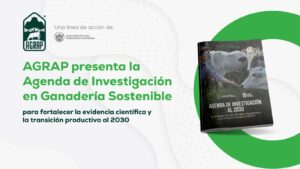
Tropical Forest Alliance, through the platform of the Coalition for Sustainable Production, will work on knowledge management by laying the groundwork for a Deforestation Free Livestock Working Group. Specifically, a community of practice committed to deforestation-free cattle ranching will be organized at regional and national levels. In addition, technical studies will be developed on market opportunities, sustainable livestock business models and financing instruments appropriate to the sector.