Is the consumption of sustainably sourced meat in Peru possible? AGRAP is making it possible. On Monday, April 8, representatives of companies from the HORECA sector (hotels, restaurants and catering), as well as meat processing plants, producers and international cooperation agencies met at the offices of WWF Peru, where they learned about a new business model that promotes livestock farming that seeks to reduce pressure on forests and restore the Amazon ecosystem.
In this model, livestock farming seeks to be competitive and sustainable, through a productive differentiation strategy based on soil restoration, natural pastures, silvopastoral systems and non-deforestation, while generating welfare for producers and the chain as a whole.
During the eventThe opening remarks were made by Julia Kraetke, Director of the Climate, Nature and Infrastructure Department of the Embassy of the United Kingdom, who supports the project "Promotion of deforestation-free livestock farming in Madre de Dios (Peru): From the design of public policies to their implementation". Also relevant was the participation of Verónica Cardozo, a cattle producer from Iñapari, Madre de Dios, who recounted her experience in the field schools, the learning, challenges and opportunities she encountered in the process of transitioning to sustainable and regenerative livestock farming. The attendees tasted beef from Cardozo's cattle, where the cattle lived free, with adequate access to water, pastures cultivated with bio-inputs, under a rotational grazing system, with sufficient shade from native species that are being reforested in the area. The company also emphasized the non-use of antibiotics, anabolics and other toxic inputs, as well as other good practices that ensure not only animal, forest and biodiversity welfare, but also human welfare for future consumers.
There was also an opportunity to talk to one of the meat packing plants that is part of AGRAP, who commented on the importance of promoting sustainable meat as an Amazonian product and how this is aligned with the demands and trends of global markets.
For his part, the renowned chef Palmiro Ocampo, WWF ambassador, leader in sustainable food, focused on the optimal and total use of food, gave a few words calling on guests to join the efforts of this initiative and highlighting the physical and ethical qualities of sustainable Peruvian Amazonian meat.
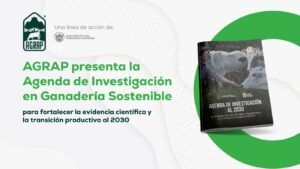
In closing, the sector was invited to be a part of the AGRAP and join in promoting this new production model for the Peruvian Amazon, supporting the commercial and market development of the Amazonian sustainable livestock value chain, as well as, transversally, in the other areas of AGRAP's work, such as research, traceability, generation of participatory public policies, among others.


The contribution of the HORECA sector has great potential in market knowledge and innovation that are valuable for the next steps of the business model, bringing it closer to the markets and closing the value chain, also collaborating in ongoing processes such as the validation and implementation of the verification framework, educating consumers about the origin and sustainability of what they consume, among other areas of articulation with the AGRAP.
It is important to emphasize that articulating with the commercial sector strengthens the livestock production chain free of deforestation that promotes the AGRAP, so this is the first approach to the HORECA sector, as part of the actions to promote the commercial development of the value chain, positioning sustainable Peruvian Amazonian meat in the minds of consumers and the national distribution market, recognized for its quality and sustainability. Finally, this would close the value chain, bringing benefits to producers and making the care of the territory's forests sustainable.
The event was organized by The Climate Group and WWF Peru (which is currently in charge of the technical secretariat of the Agrap) and with the support of the Tropical Forest Alliance.