Lima Sustainability Forum addresses sense of urgency to comply with European Union regulation on deforestation-free.


  • The Coalition for Sustainable Production brings together actors from value chains in the Peruvian Amazon at the Sustainability Forum in Lima to discuss the prospects for dealing with the new European Union regulation on imported deforestation. 
  • Discussion and exchange of information took place hand in hand with trade union representatives, civil society, public policy makers and decision makers.

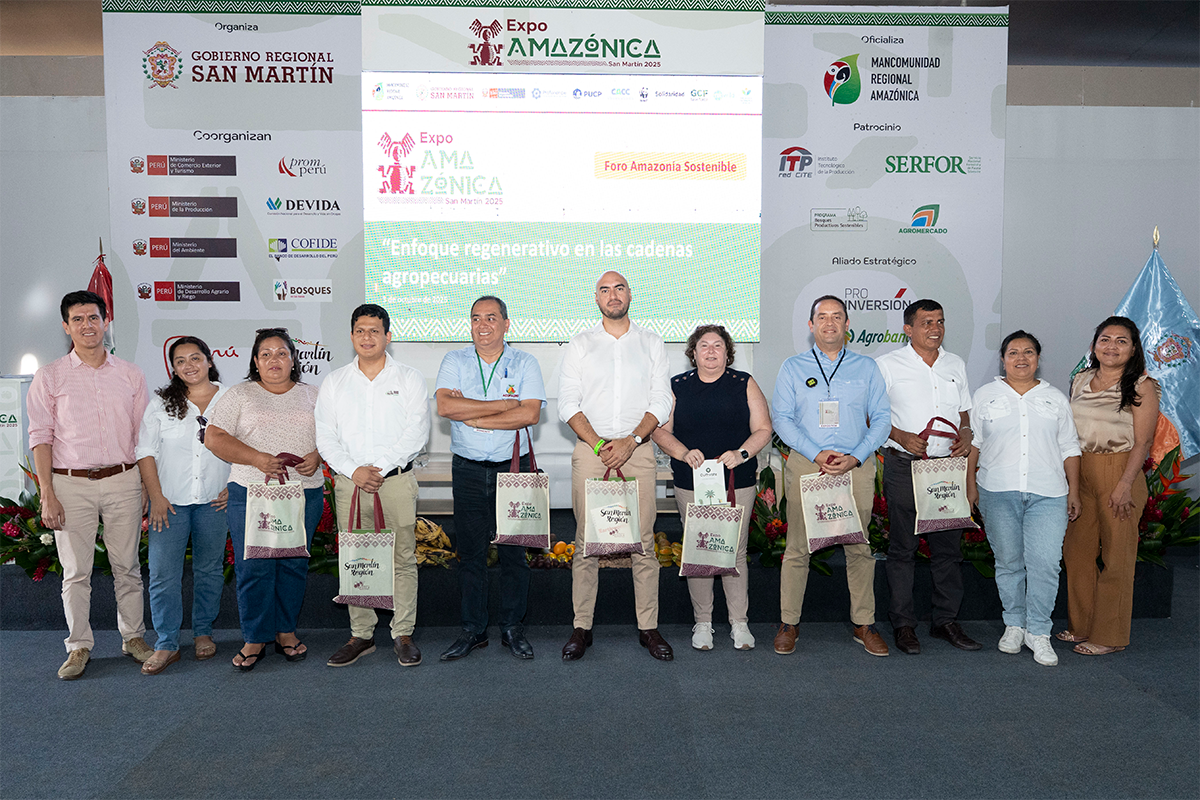
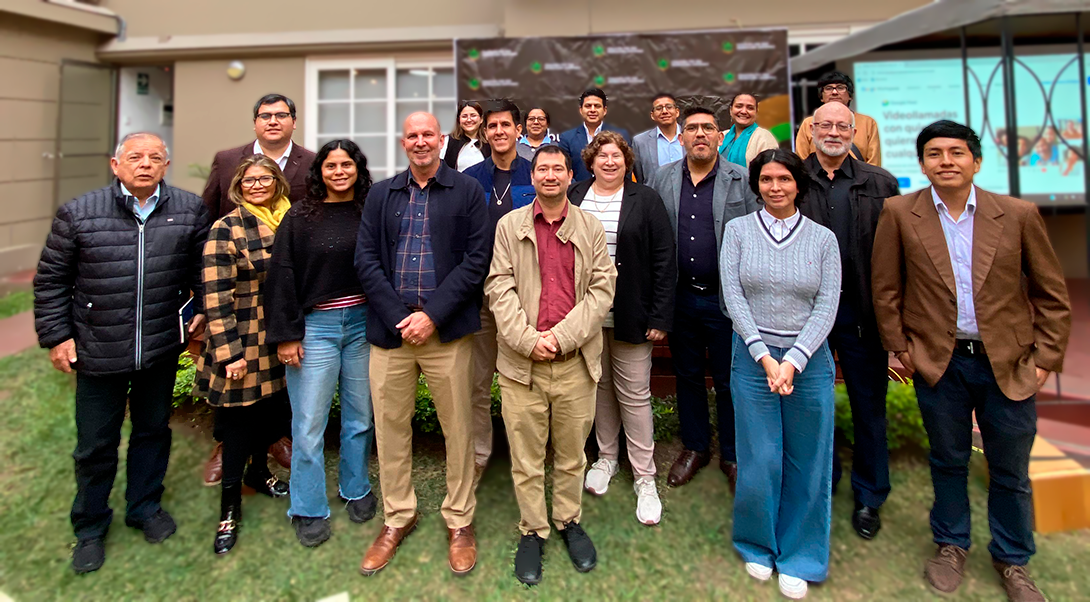
On August 14, the Coalition for Sustainable Production, with the support of its members and allies Proforest, Earthworm Foundation, Tropical Forest Alliance (TFA) and Solidaridad, held the Lima Sustainability Forum at the Hotel Jose Antonio, in the district of Miraflores. 


The purpose of the event was to exchange information between private and public stakeholders on sectoral preparedness for global sustainability regulations. It also sought to deepen knowledge of the regulatory frameworks for responsible sourcing in agricultural and forestry commodity supply chains. The topics discussed included the general context of responsible sourcing, regulatory frameworks and analysis of key elements.

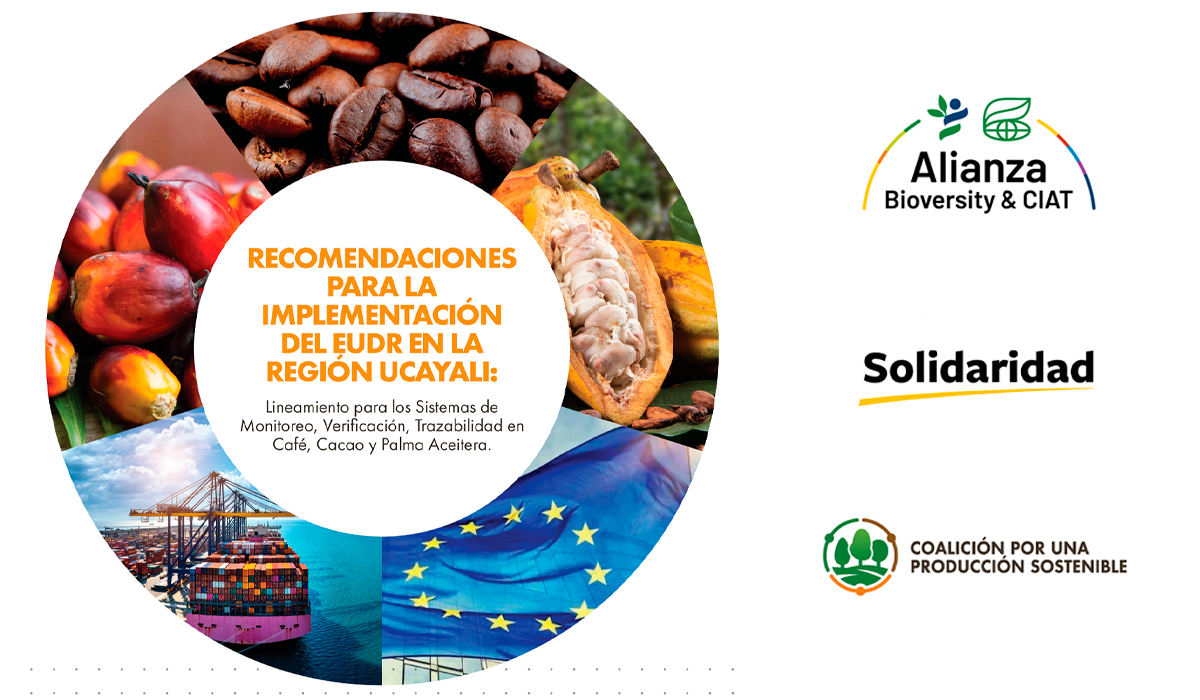
The European Union has ratified legislation aimed at curbing imports from crops linked to deforestation. Under this regulation, companies will be required to indicate that they have followed a due diligence process to ensure that these products are deforestation-free and meet the standards of the countries of origin. This regulation will impact essential products such as coffee, cocoa, palm oil, among others, and will punish those who fail to comply with it with fines that can reach up to 4 % of their revenues. To prove compliance, companies involved in the production and export of these products that seek to market them in any of the 27 countries of the European Union (EU) will have to demonstrate their adherence to various tests that validate their responsible practices.

Among the conclusions and balances of the forum, it was emphasized that although there is an opportunity for Peru to position itself in the markets, there is a great challenge and sense of urgency for us to adapt in time and in a comprehensive manner from value chains, such as coffee and cocoa, which also face challenges in their production in the face of global warming. 

Based on Midagri data, there are a total of 89,789 cocoa producers and 223,838 coffee producers in Peru. The prospect of their products being rejected by exporters sending them to the European Union is a cause for concern, as this could have a significant negative impact on the majority of these farmers.

DATA: 

  • For Peru, 55% of coffee, 44% of cocoa and 15% of palm oil will at some point end up in the European Union".
  • 95% of the food we consume comes from the mainland, and most of it comes from tropical lands such as Latin America.
Facebook
Twitter
LinkedIn
WhatsApp