Coalition for Sustainable Production and Proforest develop palm and livestock sustainability forums
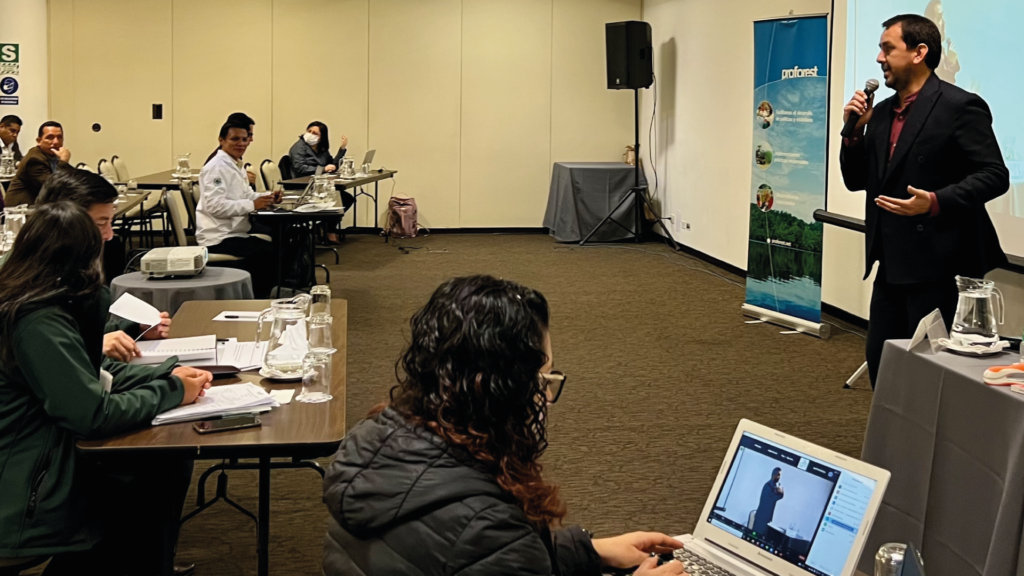
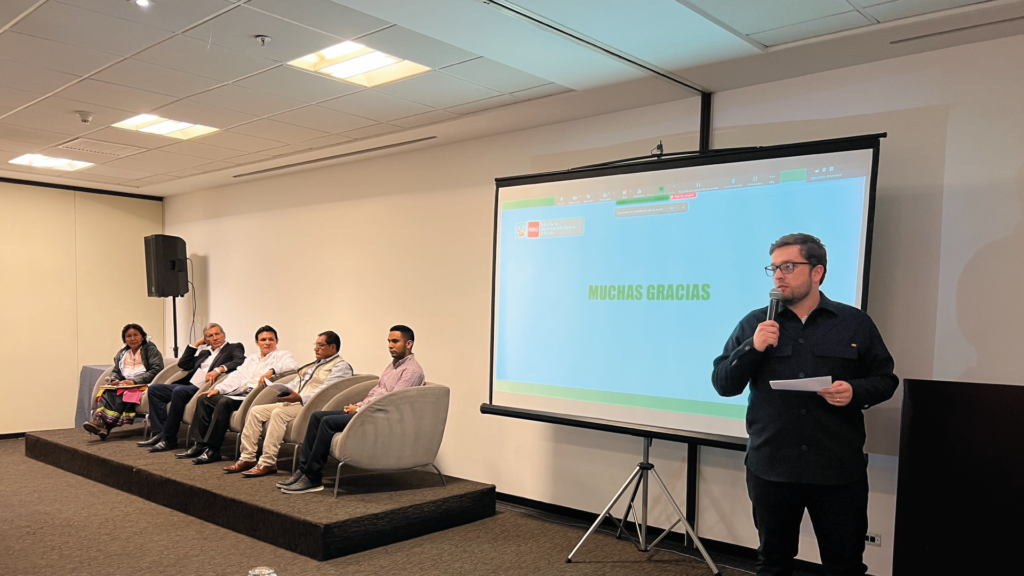
On October 12 and 13, Proforest and the Coalition for Sustainable Production held the Amazon Livestock Sustainability Forum and the Oil Palm Sustainability Forum in Lima, which brought together key actors in the sector. The following are the most important aspects discussed in these spaces:
Forum on Amazonian Livestock: a holistic vision for sustainable Amazonian livestock farming
During the event, specialists analyzed concepts and initiatives related to tropical livestock farming, which requires special attention to the care of the Amazon forest. These are three key conclusions of this forum:
The intervention for a sustainable Amazonian cattle ranching requires a holistic vision; through an intervention that considers human, natural, political, financial and social capital.
It is important to cut production costs, fix access roads to production centers, raise awareness and train producers on the importance and benefits of sustainable livestock production in the short, medium and long term.
It is necessary to develop livestock farming according to the local reality. It is important to know the soil we have, in what state it is in, in order to know what type of pastures we will have to feed livestock and give back to the soil, through regenerative livestock farming, few agrochemicals and rest time to the soil.
Oil palm forum: Testing the viability of a sustainable oil palm
Speakers included officials from institutions such as the Ministry of Agrarian Development and Irrigation (Midagri), regional governments such as Huanuco, San Martin and Ucayali, as well as representatives of indigenous communities such as the Kokama native community, the Shambo Porvenir native community, and international companies, among others.
This forum brought together companies related to the oil palm market that are moving towards sustainability and aligned their conclusions around these key ideas:
Oil palm production, and the cost of oil palm, has been affected by the covid-19 pandemic, the war in Ukraine and the effects of climate change. We are facing a period of production and price fluctuations.
The participating native communities emphasized that oil palm cultivation has helped them to improve their well-being, highlighting that it is possible to produce this crop without affecting the environment or nearby communities.
Although there is a joint agenda for a deforestation-free oil palm, there are still challenges to be met, for example, respecting the labor rights of oil producers, not deforesting and not developing in Amazonian areas where there are areas of high conservation value, such as aguajales.
Global palm consumption has doubled. This is because we produce palm in a sustainable way. We have a very important comparative advantage. Our products are deforestation-free because the market demands certain standards.